
Industries
Built for businesses that work on site
Every trade plans, drives, works and invoices in its own way. Pick your trade and read how TelMaar fits, from the first appointment to the paid invoice.
Nine trades, one way of working
Whether you replace a fuse board, fit a bathroom or clean an office: the day starts with a schedule and ends with an invoice. In between are hours, materials, photos and a signature. TelMaar keeps that together, in the language each team member chooses.
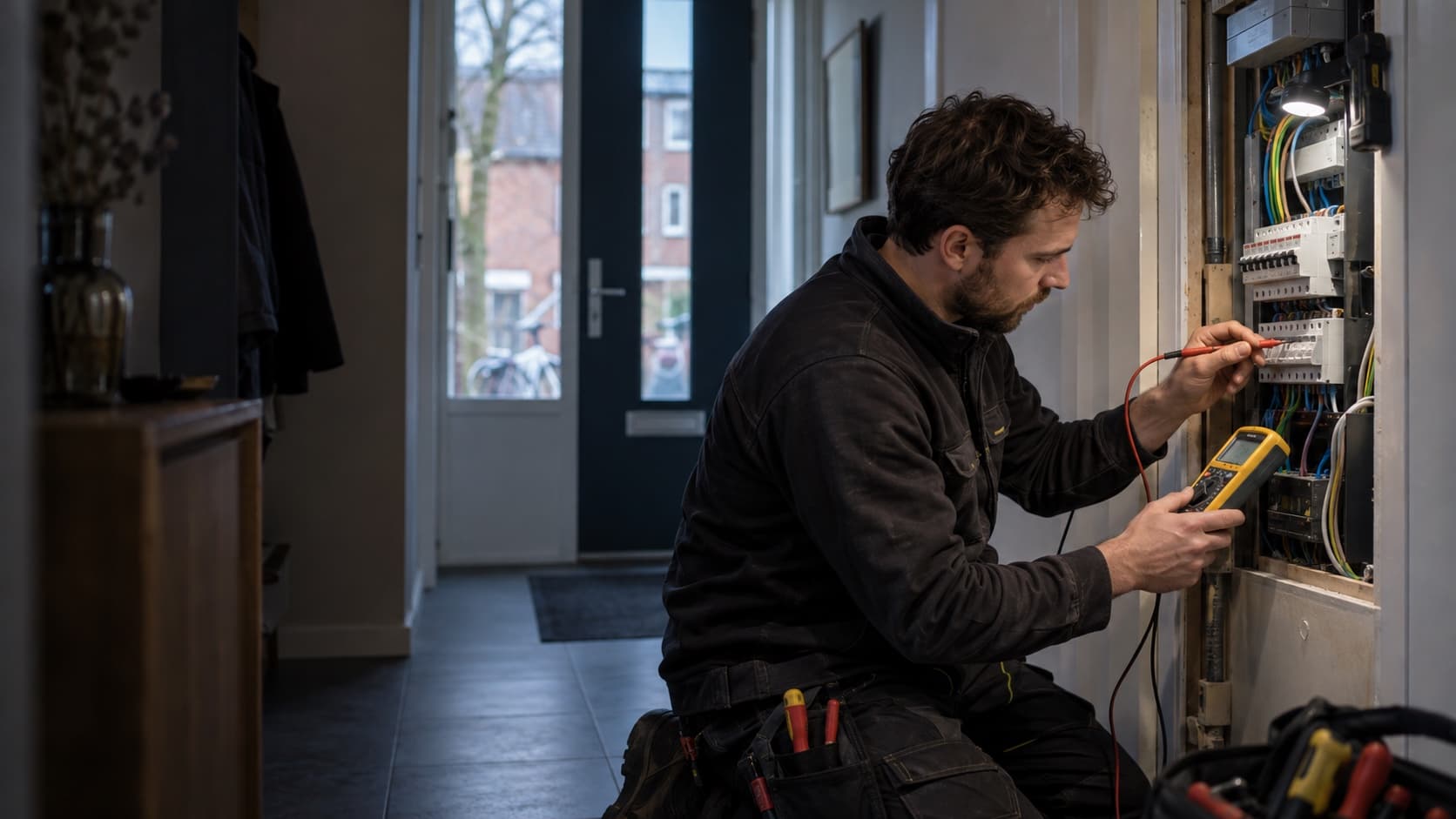
Electricians
From fault report to paid invoice, without evening work
An electrician rarely has a quiet day: a fault in between, a fuse board that takes longer than expected, and a customer asking whether you can come by tomorrow too. The work itself goes fine. Keeping track of it is what gets left behind.
Read how it works
Plumbers and installers
Leak, boiler or complete bathroom: one administration for all of it
A plumber mixes small urgent jobs with large projects. A leaking tap at nine, a two-week bathroom renovation alongside. The same applies to both: what you do not write down, you do not invoice.
Read how it works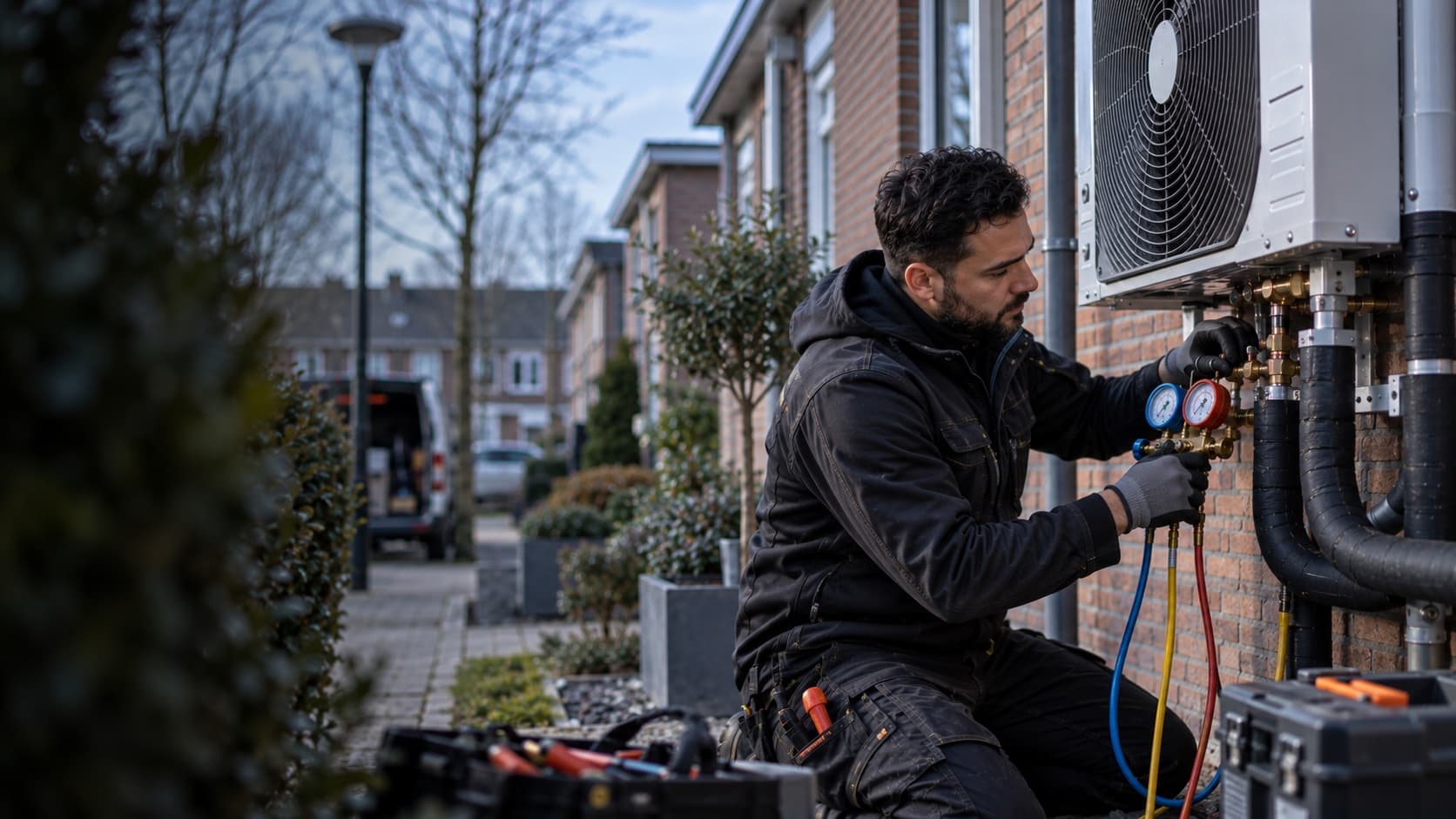
Heating and heat pump installers
From quote to maintenance contract, heat pumps included
Installing a heat pump is not a morning's job. A quote comes first, often with subsidy information, then a day or two of work with several engineers, and then years of maintenance. With a boiler it is shorter, but the pattern is the same.
Read how it works
Painters and maintenance companies
Hours, paint and extras: everything on the sheet before you drive home
Painting is hourly work. A facade of three days, a stairwell of a week, and in between that window frame that turned out to be more wood than paint. The difference between profit and loss is whether that extra work ends up on the invoice.
Read how it works
Cleaning companies
Fixed rounds, changing crews, one invoice a month
A cleaning company runs on repetition: every Monday that office, every Thursday that school, and in between a move-out clean or an urgent job. The schedule is the product. Who is where, for how long, and whether it was done.
Read how it works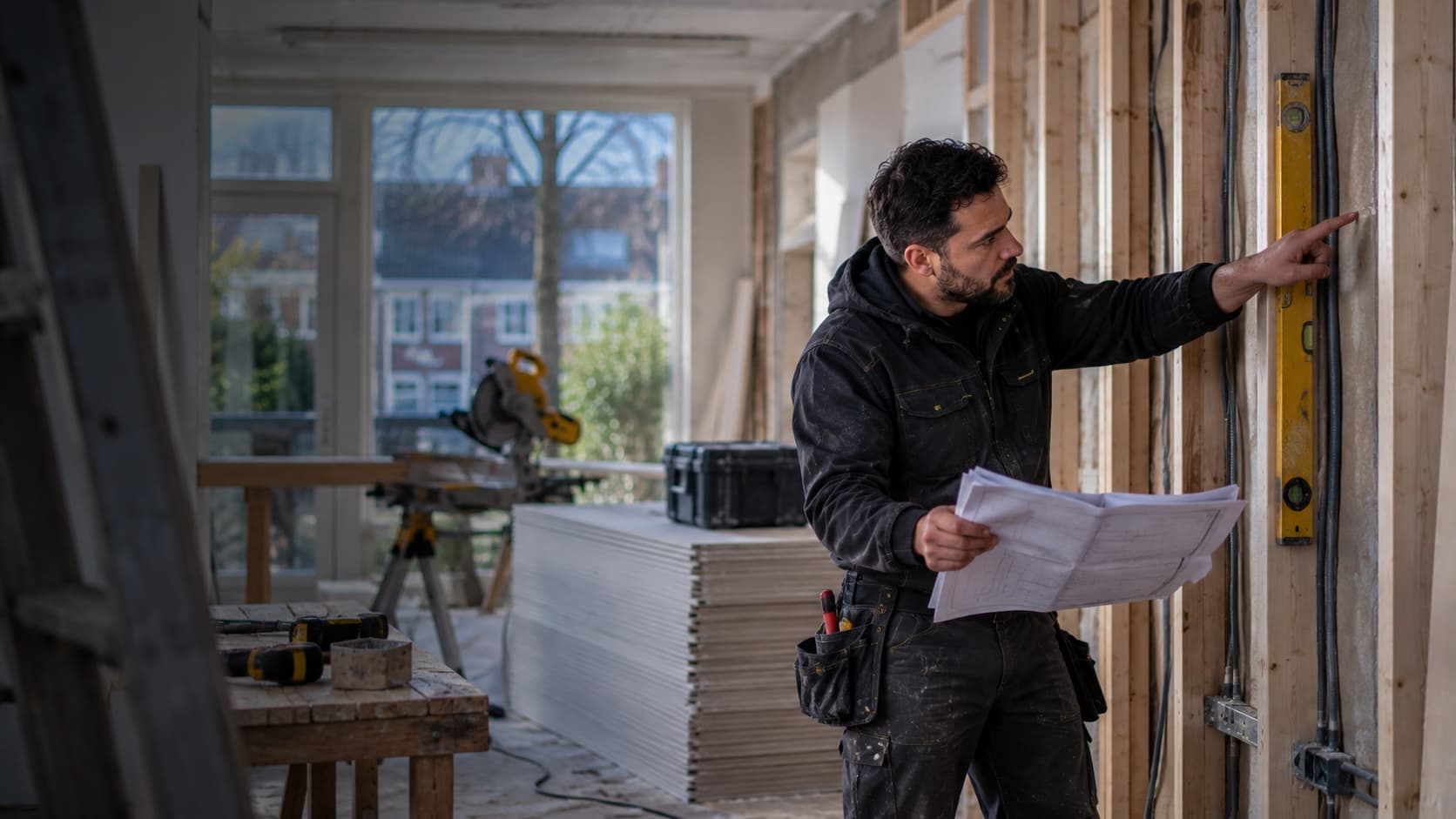
Small contractors
From quote to handover, with stages and subcontractors
A contractor switches between quotes, scheduling, purchasing and invoices. A dormer, an extension, a three-week renovation: every project has its own materials, its own people and its own stages. And with business customers VAT is often reverse-charged.
Read how it works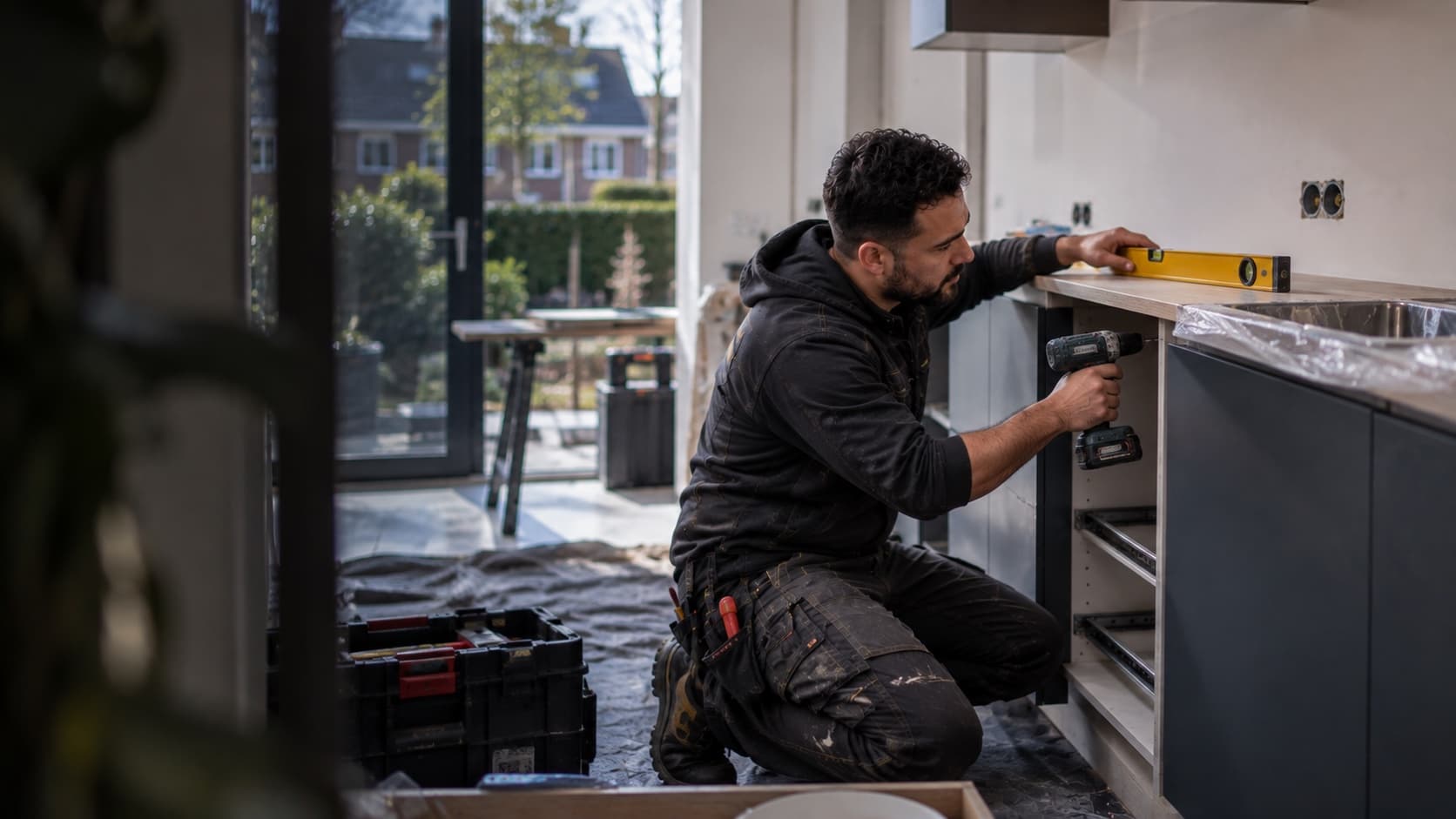
Kitchen and bathroom fitting
Quote, fitting and handover without loose ends
Fitting a kitchen or bathroom is a project with many parties: the customer, sometimes a showroom, a plumber, an electrician and you as the fitter. Everything has to be in the right place on the right day, and afterwards it must be clear what was done extra.
Read how it works
Security installers
Installation, handover and annual servicing, neatly recorded
Whoever installs alarm systems, cameras or access control works with trust. The customer wants to know what was installed, when, and by whom. And you want the annual servicing not to be forgotten, because that is where your recurring revenue is.
Read how it works
Solar panel and EV charger installers
Many enquiries, short jobs, tight scheduling
Solar panels and EV chargers are volume work: many enquiries, many quotes, and jobs that are done in half a day or a day. Whoever does not keep scheduling and follow-up tight, loses enquiries and invoices late.
Read how it works
Verandas and canopies
From quote to handover, with the customer signing on your screen
A veranda starts with a survey and a quote with options: glass, lighting, shading. Then come delivery, installation and handover. Every step has its own paperwork, and that paperwork gets lost between the van and the office.
Read how it works
Floor layers
From measuring to the finished floor, with square metres that add up
A floor starts with measuring: how many square metres, which underlay, how much cutting waste. Then come the quote, the order at the supplier, the laying day and the handover. Every step has a number that must match the previous one.
Read how it works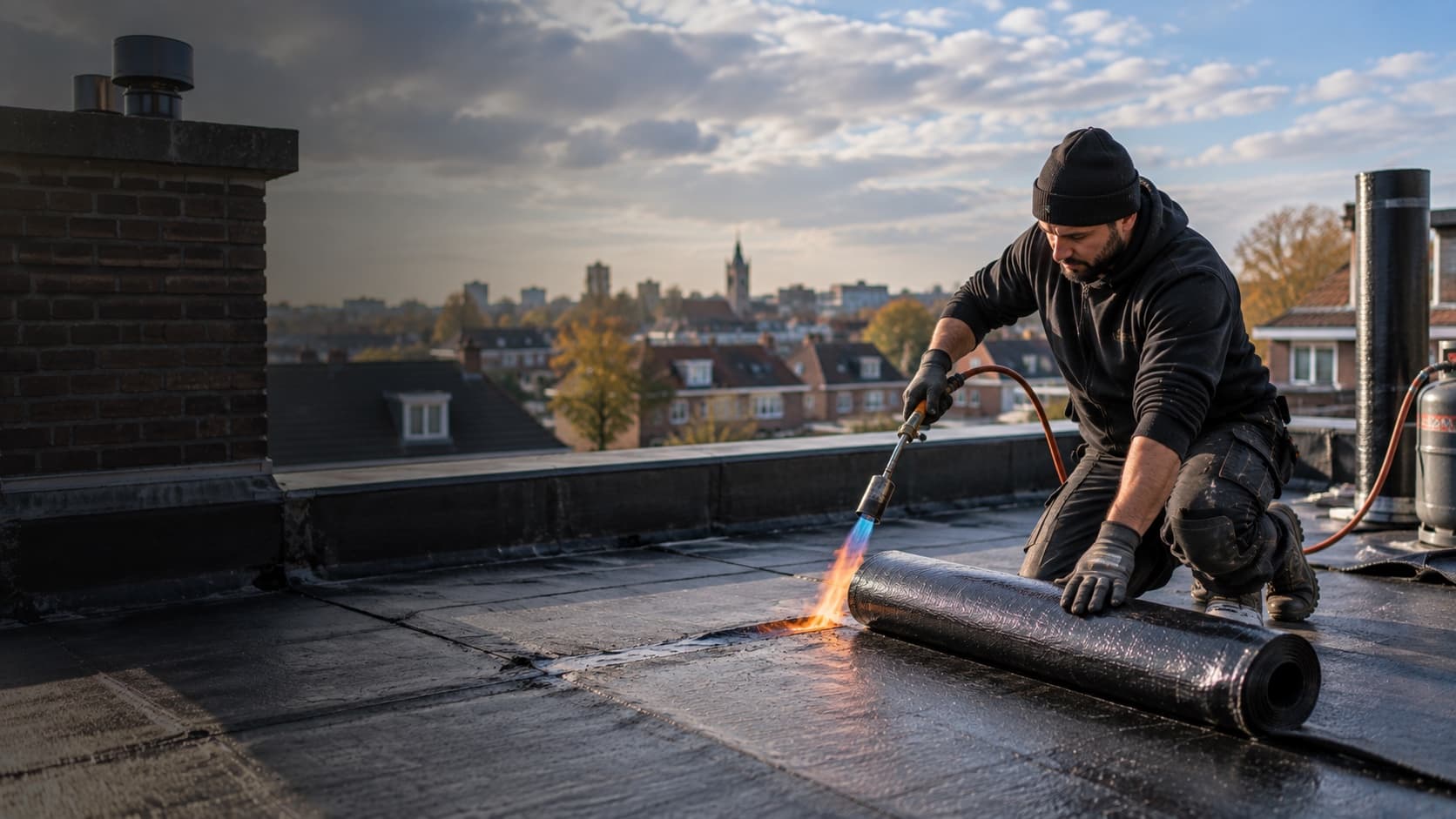
Roofers
An emergency on the roof, and the invoice out the same afternoon
A leak does not wait for the schedule. Between planned maintenance the emergency comes in, and the roofer is on the roof an hour later. What happens there must reach the records as fast as it happened: which repair, which material, and what the customer pays.
Read how it works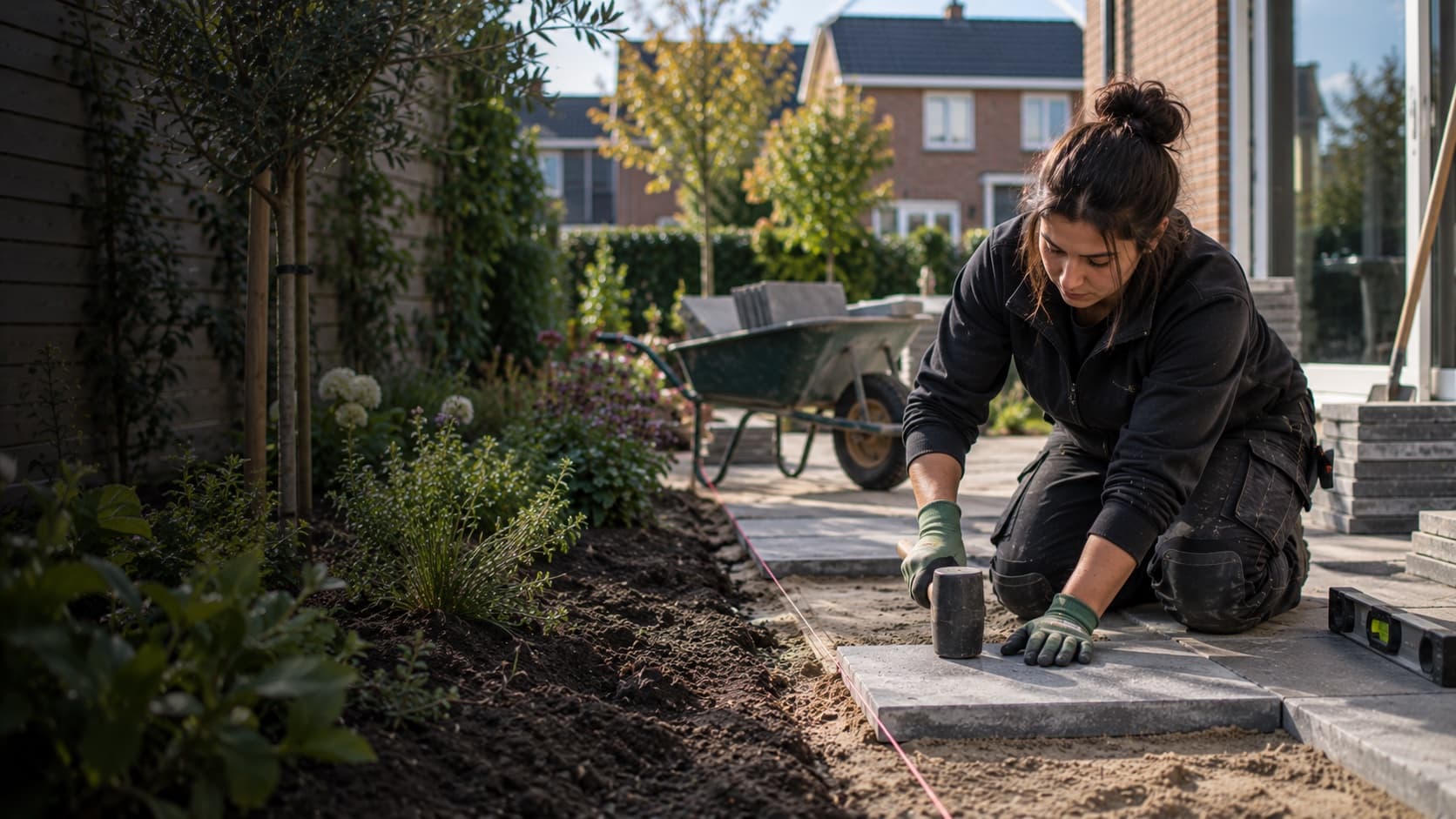
Landscapers and gardeners
Seasonal work planned, maintenance rounds on time and an invoice after every round
A landscaper has two kinds of work: the construction, with a quote, a drawing and weeks of work, and the maintenance, with fixed rounds along the same gardens. The first asks for a project, the second for a contract that repeats itself.
Read how it works
Plasterers and finishing
Planned per room, invoiced per project, nothing retyped
Finishing work runs per room: plastering in the living room one day, textured render in the bathroom the next, and in between a contractor calling to ask if you can do the hallway tomorrow too. Hours, square metres and extra work end up scattered over receipts and messages.
Read how it works
Air conditioning and cooling
Installation, F-gas records and the yearly service on one job
An air conditioning installer lives on two things: the installation in spring and the service that comes back every year after. Between those two sits the law: the F-gas record per unit, with date, quantity and who did it.
Read how it worksSector profiles
The words of your trade, from day one
An installation company calls it a job sheet, a cleaning company a report, an IT company a ticket. TelMaar knows six sector profiles: installation, construction, cleaning, IT support, veranda and a generic profile for everything else.
The profile decides the terminology in the screens and the documents, which fields are on by default and which templates you get. You pick it during setup and can change it later without losing any data.
Six profiles
Installation, construction, cleaning, IT support, veranda and generic.
Your own terminology
The words on the screens and on the documents match your trade.
Fitting fields and templates
You do not start with an empty system but with a setup that suits your work.
Why these trades
There is planning every day
Who is where today is the first question of the morning. A planning board everyone sees on their phone saves phone calls.
The work happens at the customer
Hours, materials and photos arise on site. They should be recorded there, not from memory in the evening.
A job sheet must become an invoice
Without retyping. The signed sheet is the basis of the invoice, the same day.
Teams are often multilingual
The owner, the planner and the engineer do not always speak the same language. Each works in their own; the customer gets a Dutch invoice.
Try it with one real job
Thirty days free, all features, and we help you set up the first job from planning to invoice.
Start freeFrequently asked questions about industries
Which industries is TelMaar made for?
For companies that work on site and plan every day: electricians, plumbers, heating and heat pump installers, painters and maintenance, cleaning companies, small contractors, kitchen and bathroom fitters, security installers and solar panel and charging station installers.
What if my industry is not listed?
Then TelMaar usually still works: the core is the same everywhere, from planning and work orders to invoicing and bookkeeping. An industry page only describes how that runs in practice in one trade. Request a demo and we look at your situation together.
Can I combine work from several industries?
Yes. An installer who also handles maintenance contracts, or a contractor with their own painters, works in one administration with the same jobs, planning and invoices. Only the price lists and forms are tailored per type of work.